
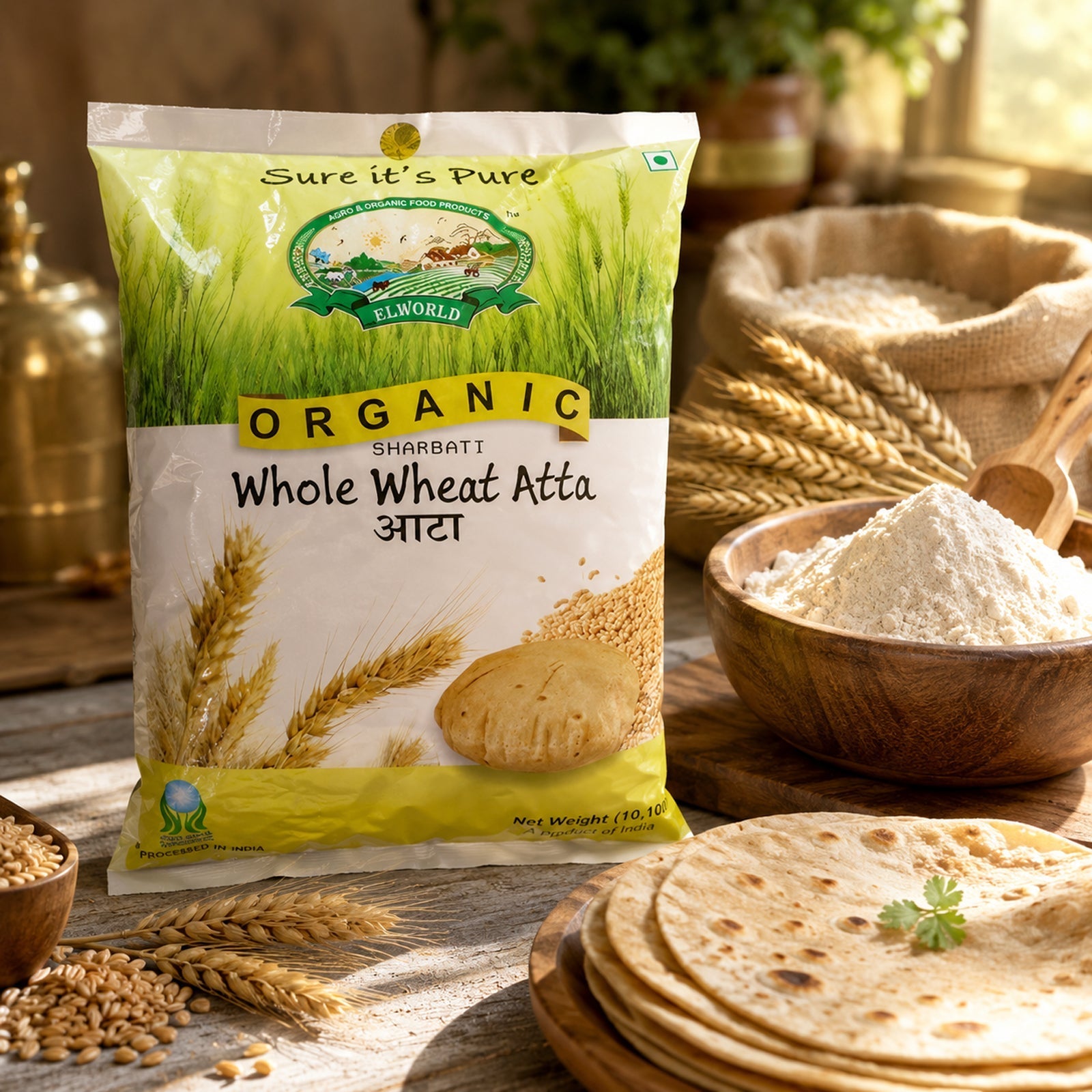
Attawhole wheat flour is the most widely used flour in Indian cuisine. Whether it is soft bread, parathas, puri, or any other homemade delicacy, wheat flour is an indispensable part of every meal. However, once you go out to buy wheat flour from the market or order it online, you may find that there are numerous brands and types of atta on sale. These include whole wheat flour, multigrain atta, chakki fresh atta, and much more. This variety leads many people to be confused about which wheat flour to buy.
However, choosing the best wheat flour goes far beyond personal preference. Not only is it related to the taste, but also to the health value, digestibility, softness of rotis, and many other aspects. Hence, choosing the right type of wheat flour can be crucial for making meals more healthy, satisfying, and beneficial for everybody involved. With this guide on choosing the best wheat flour, we will discover the criteria to follow in the process.
Reasons Why the Quality of Atta is Important
Consumers do not always check the quality of atta before purchasing. They usually purchase any available atta depending on the price and brand. However, the quality of wheat flour determines the nature and flavor of your meal. Using low-quality flour can lead to dry rotis, poorly mixed dough, and difficult digestion. Otherwise, fresh and natural flour can produce soft rotis.
Healthy flour contains nutrients such as fiber, vitamins, and minerals that help in body metabolism and supply daily energy. In addition, good wheat flour fills one up quickly. Individuals who eat good quality whole wheat flour regularly adopt healthy diets because of their nutritional value.
Fresh atta also mixes well with water and produces a smooth dough. This facilitates easy production of fluffy chapatis and soft parathas without too much effort. This is why the choice of atta is significant for each home.
Whole Wheat Flour
It becomes essential to know about whole wheat flour before purchasing atta. Whole wheat flour is produced by grinding the entire wheat grain – bran, germ, and endosperm. Being made from the whole grain, whole wheat flour maintains the nutrients.
Processed flour takes out some essential elements of the grain, resulting in low fiber content and poor nutrient value. Some benefits of whole wheat flour are healthy digestion, increased fiber intake, and nutritional benefits. Health-conscious people nowadays are inclined towards whole wheat atta because it is more natural and satiating.
Another good aspect of using whole wheat flour is that it improves your digestive system’s functionality. The high amount of fiber in it results in proper digestion of food, making one active all day long. That is why nutritionists always advise people to consume whole wheat foods for everyday meals.
How to Select Atta for Daily Consumption?
There are some important points that you need to consider when buying atta. You need to check the consistency, smell, freshness, and ingredients in atta. Fresh wheat flour will always have a light aroma.
Consistency is one very crucial aspect that needs attention. High-quality atta will have smooth yet grainy consistency. Overly fine flour doesn't guarantee soft rotis, whereas overly coarse flour may affect texture. Right amount of grinding is crucial for atta.
Many families today like using chakki fresh atta since natural grinding retains nutritional and flavor properties. In addition, the process of grinding in chakki keeps flour warm and enhances the taste of wheat flour.
When learning how to choose atta, it's essential to consider the presence of preservatives or other additives in the product. Naturally produced atta is better than others for your everyday needs. The list of ingredients will give you the idea of its quality.
The color of atta can also help you assess its quality. Light brown or creamy wheat flour will indicate the freshness of atta. Too white flour may be excessively processed, whereas dark atta contains too many bran pieces.
Various Types of Wheat Flour that are Available Nowadays
There are various types of wheat flour available in the market today. One needs to know about their differences to make the right choice for the family.
Whole wheat atta is generally the first choice of Indian households. This is perfect for making chapatis, parathas, and general cooking. Multi-grain atta is the one with other grains such as barley or oats included along with wheat. Such options are chosen by some people due to additional nutrients.
Then there is also the possibility of using organic wheat flour. It is one where no chemical pesticides or fertilizers have been used while cultivating the wheat. Many people love this kind of atta.
There is also stone-ground wheat flour which has become very popular nowadays. Being slow processed, it tends to retain the natural flavor and nutritional value as compared to regular flour.
Every family has its own preferences when it comes to choosing flour. However, for day-to-day cooking, people prefer simple wheat atta.
Indicators of the Best Wheat Flour
The ideal wheat flour must be simple to work with and must make cooking easy and pleasurable. One of the primary indicators of good atta includes soft rotis, which stay soft for an extended period of time. Good atta also produces dough that does not become sticky.
Another indicator of the best atta includes freshness. You should always check the packaging dates when purchasing atta packed in packages. In case you are purchasing loose atta, try to buy it from reputable stores with consistent supply and regular grinding.
Good flavoring is yet another indicator of the best atta. Attas with the best qualities include flavors of slightly sweet and earthy wheat. These attas enhance the quality of the food prepared at home.
Water retention ability is also one of the main indicators. Ideal wheat attas absorb water easily and develop elasticity, which comes in handy during the preparation of chapatis.
Many people look for the best wheat flour due to health reasons.
Health Benefits of Whole Wheat Flour Consumption in Daily Life
The health benefits of whole wheat flour are considered among the major factors for choosing it as a daily need for families. Being rich in fibers, it aids in improving digestion and feeling fuller longer.
Whole wheat flour has some essential nutrients such as iron, magnesium, and B vitamins, which are necessary to remain energized.
Furthermore, due to the presence of fibers, it can aid in maintaining balanced eating habits. Several individuals experience reduced hunger levels after having chapatis made from whole wheat atta than refined flour products.
For children and office workers, daily consumption of nutritious wheat flour may be included in their balanced life. Home-cooked meals made of quality atta appear light and healthier.
A further benefit of whole wheat flour consumption is that it is very versatile and can be used to make rotis, parathas, pooris, halwa, and various other recipes.
Some Common Mistakes that People Commit while Buying Atta
Firstly, one common mistake is that people buy flour without checking the packaging. Just because the packaging looks attractive doesn’t necessarily mean it is good quality flour.
Secondly, some people neglect to check the freshness of the flour. Flour tends to lose its quality after a certain period of time. Hence, always check the date of manufacture.
Thirdly, people often purchase highly refined flour hoping it will give them soft rotis. However, such refined flour might lack many nutritious elements. Whole wheat flour is recommended.
Finally, people often make mistakes in storing atta at home. Atta should always be stored in an air-tight container in a dry place.
Choices of Organic and Traditional Wheat Flour
Many homes today are opting for organic and traditional wheat flours. Organic flour has become very common, and the reason behind its increased use is that it is produced by using less chemical treatment of wheat grains. The people who like natural foods prefer to use organic atta in their routine meals.
Stone-ground traditional atta is also regaining its popularity. Many people think that stone-ground atta is better in flavor, aroma, and softness for making roti. Because it goes through less processing, it maintains its nutritional value to a great extent.
There are also some wheat varieties that belong to a particular region, which can be used for producing quality atta.
Wheat Flour Storage Tips
The most premium wheat flour may also become stale due to improper storage. Ensure that your atta is always stored in a closed container that is shielded from moisture and air.
Another tip would be to prevent storage of flour near any source of heat. The ideal location would be a cool and dry spot inside the kitchen cupboard. If purchasing flour in large amounts, split the stock in small packages.
Freshly prepared flour makes dishes tastier; hence it would be wise to purchase an amount of flour that can last for some period of time.
Conclusion
Selecting the best atta for use on a daily basis is easy once you know how to do it. Good quality atta must be fresh, natural, nutritious, and suitable for cooking your dishes. Knowing how to select atta will help you cook better meals in a healthier way.
There are many reasons why whole wheat flour health benefits make it an essential element of your regular Indian meals. From better digestive system to improved nutritional value, good atta helps achieve a healthy life for everyone in your home. Whichever type of atta you want – whether it is chakki atta, organic flour, or stone-ground wheat flour – there are options to suit your requirements.
With this atta selection guide, it becomes clear that atta selection is more important than any other element related to atta purchase. All you need to do is focus on some key things while purchasing atta, and you will have the best flour every day for making soft rotis and delicious dishes.
Share and get 15% off!
Simply share this product on one of the following social networks and you will unlock 15% off!