
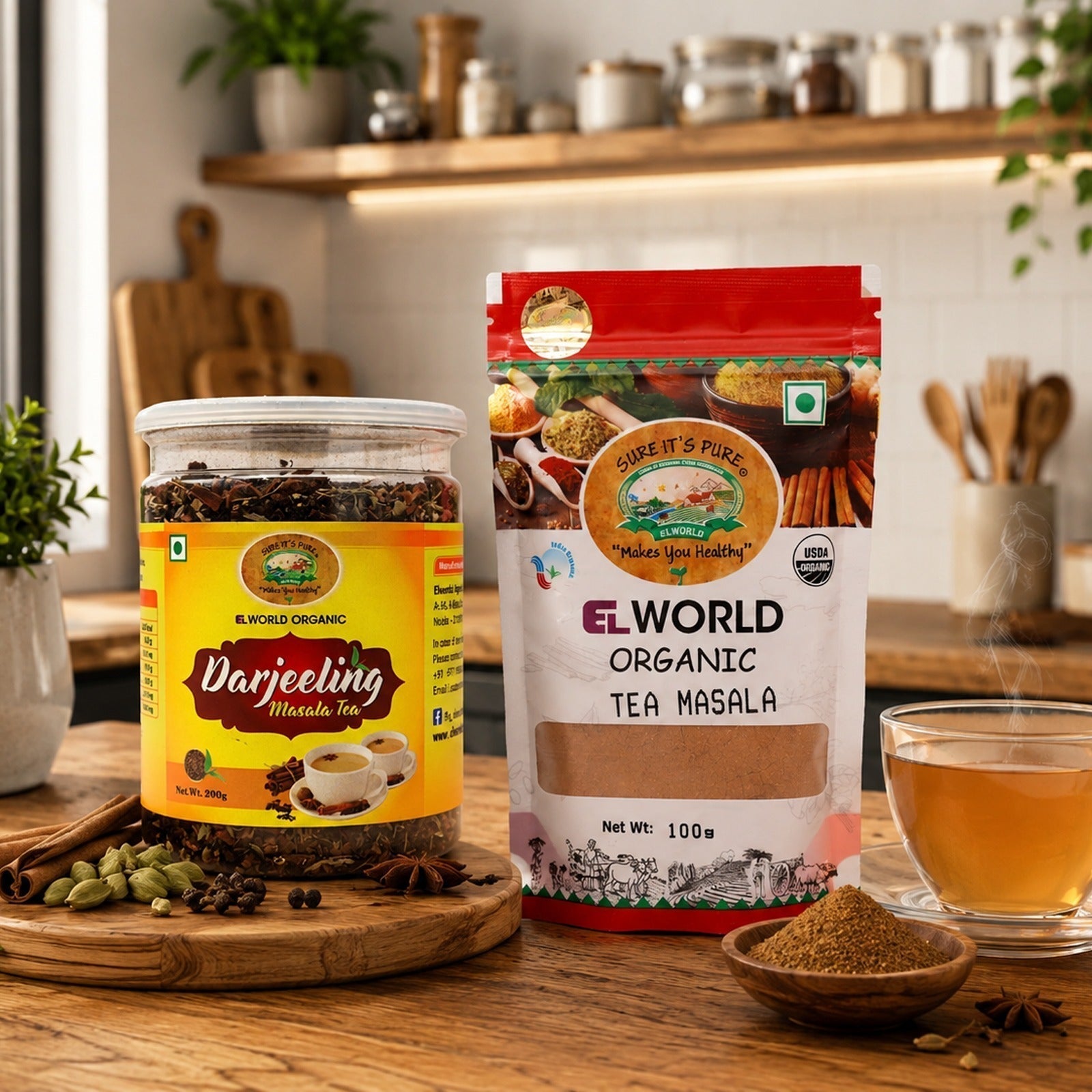
Tea is among the most favored drinks across the world, with India being the producer of some of the best teas. When compared to all other varieties, Darjeeling tea stands out owing to its distinct flavors, aromas, and growth conditions. Tea enthusiasts often find themselves wondering about darjeeling tea vs regular tea in an attempt to know what makes this tea unique.
On first sight, the two seem to be identical, but several factors differentiate Darjeeling tea from regular tea in terms of taste, quality, cultivation process, processing method, and health effects. Irrespective of whether you are a frequent tea drinker or not, it will be wise to familiarize yourself with these differences.
This article seeks to highlight some of the distinguishing features of Darjeeling tea from other varieties of tea, particularly regular tea. We will also highlight some darjeeling tea benefits that make this tea unique.
What Is Darjeeling Tea?
Darjeeling tea refers to high-quality tea that originates from Darjeeling District in West Bengal, India. This area has an elevation that is near the foothills of the Himalayan Mountains, where cool weather and fertile soil favor the cultivation of tea.
Darjeeling tea is known to have a fragrant flower aroma and Muscatel flavoring. In addition, Darjeeling tea does not undergo any form of processing like the commercial tea does; therefore, it preserves its original flavor.
Typically, Darjeeling tea originates from the Chinese tea variety of tea plants, Camellia sinensis. Moreover, Darjeeling tea is produced all-year-round in different flushes, which provide distinct flavors.
What Is Regular Tea?
The regular tea can be defined as the tea drunk by people in their homes in India and other nations as well. The majority of regular teas are produced in tea-growing zones like Assam, Nilgiri, and others. The production of regular tea is usually targeted at supplying everyday needs of the population.
Usually, regular tea is more powerful, dark and full-bodied than other types. People prefer using this type of tea for preparing milk and masala chai. In contrast to Darjeeling tea, which possesses fine bouquet and delicate flavor, regular tea is loved due to its strength and rich caffeine content.
Commercial tea producers use blends from various zones to provide stable taste to their consumers.
Darjeeling Tea vs Regular Tea: Key Differences
There are several key characteristics that distinguish darjeeling tea from regular tea when comparing these products.
The first characteristic refers to the growing place. Unlike regular tea, which can be harvested at different locations, darjeeling tea is grown only in the Darjeeling hills.
Another feature that differs darjeeling tea from regular tea is their flavor. Darjeeling tea is distinguished by the light, sweet, floral, and fruity taste. On the contrary, regular tea has a more intense, malty taste and goes well with milk.
Processing is yet another factor that makes darjeeling tea differ from regular tea. While darjeeling tea is produced in small batches to maintain their high quality, regular tea is mass-produced to meet demands of the market.
The leaves used to produce darjeeling and regular teas are different as well. To ensure quicker brewing of regular tea, shorter leaves may be used to prepare this product. On the contrary, darjeeling tea has longer and undamaged leaves.
Finally, the brewing process of darjeeling tea is different from the brewing process of regular tea. Darjeeling tea is brewed and served with no milk, unlike regular tea.
Why Darjeeling Tea Is Considered Premium
Reputation of Darjeeling tea is based on the rareness of production of this beverage along with the specific geographical factors contributing to the high quality of the product. High mountain tea gardens are provided with cool climate, fog, and rains making their contribution to tea quality.
The area where tea is produced is rather small, and therefore the availability of Darjeeling tea is limited. Strict control is applied to the quality of tea, and only tea grown in the area of Darjeeling is qualified as Darjeeling tea.
Darjeeling Tea Benefits
Other than tasting great, there are numerous health benefits brought about by consuming the darjeeling tea. All the health benefits associated with drinking the darjeeling tea arise as a result of the presence of natural antioxidants in it.
For starters, one of the health benefits associated with drinking the darjeeling tea is its ability to prevent the negative impact brought about by oxidative stress. In other words, antioxidants found in the darjeeling tea are essential to overall good health.
In addition to promoting overall good health, another benefit of darjeeling tea is that it helps in digestion, thus preventing a person from bloating after a meal.
As opposed to other types of teas, another benefit of the darjeeling tea is the fact that it contains caffeine that helps one stay energized without too much stimulation. Caffeine increases concentration and mental clarity.
Last but not least, drinking the darjeeling tea on a regular basis contributes to a healthy heart as it ensures that it remains in good shape since it contains antioxidants.
It should be noted that drinking the pure form of the darjeeling tea does not contain any calories.
Understanding the Different Flushes of Darjeeling Tea
Among other distinctive aspects of Darjeeling tea is flushes. Flush stands for a harvest period during which tea leaves are harvested.
There are four kinds of flushes that are associated with four different harvesting periods. First flush takes place in spring and results in tea leaves which have a light color and a flower-like aroma. For many people who appreciate tea, this kind of flush is very appealing because of its freshness.
Second flush comes in the beginning of summer and is distinguished by its well-known muscatel taste. Third flush gives a stronger tea, whereas fourth flush provides tea consumers with a balanced drink.
Each flush has a different impact on the consumer's experience which makes Darjeeling tea special and incomparable to any ordinary tea variety.
Types of Tea in India
India boasts of having a large variety of tea. This is one of the major producers of tea in the world. To know about the varieties of tea in India makes it easy to place Darjeeling tea into perspective.
Assam tea is famous for its bold and malty taste. This variety of tea goes well in milk tea.
Nilgiri tea is grown in the southern hills of India. This tea is characterized by its fragrance and delicate taste. Nilgiri tea is used in making blended tea.
Kangra tea has a light and floral taste. Kangra tea, which is cultivated in Himachal Pradesh, is relatively unknown compared to Darjeeling and Assam tea. However, this tea is popular among tea lovers.
Darjeeling tea can be identified through its fine aroma, delicate flavor, and high-profile reputation in the international market.
Black Tea vs Green Tea: Where Does Darjeeling Tea Fit?
Most people who prefer tea also find themselves comparing black tea to green tea while making their tea preferences. This is due to the differences that exist between the two types of teas in terms of their processing techniques.
Black tea is fully fermented while green tea is only partially fermented. This makes black tea darker than green tea. Also, Darjeeling tea may be produced as black tea, green tea, white tea, and oolong tea depending on the method of processing used. The most popular type of Darjeeling tea is black Darjeeling tea.
As far as the black tea vs green tea comparison goes, black tea has a stronger flavor compared to green tea and also has higher levels of caffeine. Green tea has a mild flavor and high antioxidant content. Black Darjeeling tea strikes a balance between the two.
Which Tea Should You Choose?
The decision between Darjeeling tea and normal tea basically depends on personal preference. Whereas some individuals may enjoy drinking their tea with milk and sugar mixed in at the same time, normal tea is definitely the right type of tea for them.
However, on the other hand, when it comes to individuals who prefer drinking tea with flavor and aroma, Darjeeling tea is certainly the best choice as it has its unique flavor, which requires no extra ingredients to make it more enjoyable.
Both the types of tea could coexist in an individual's kitchen for different occasions.
Conclusion
Comparison between darjeeling tea vs regular tea shows that these two teas have completely different characteristics. Whereas regular tea provides a powerful flavor and convenience in consumption, darjeeling tea has a distinctive aroma and an unusual taste, making it more desirable than others.
All of the darjeeling tea health benefits, along with its long history and extraordinary growing conditions, contribute to its popularity among many fans of this drink worldwide. Gaining familiarity with the wide selection of tea in India as well as black tea vs green tea comparison could assist you to better understand Indian tea tradition.
No matter what kind of tea you like – either morning chai or exotic Himalayan variety, there are good opportunities for everyone. The only question remains about your preferences and expectations from a particular beverage.
Share and get 15% off!
Simply share this product on one of the following social networks and you will unlock 15% off!